
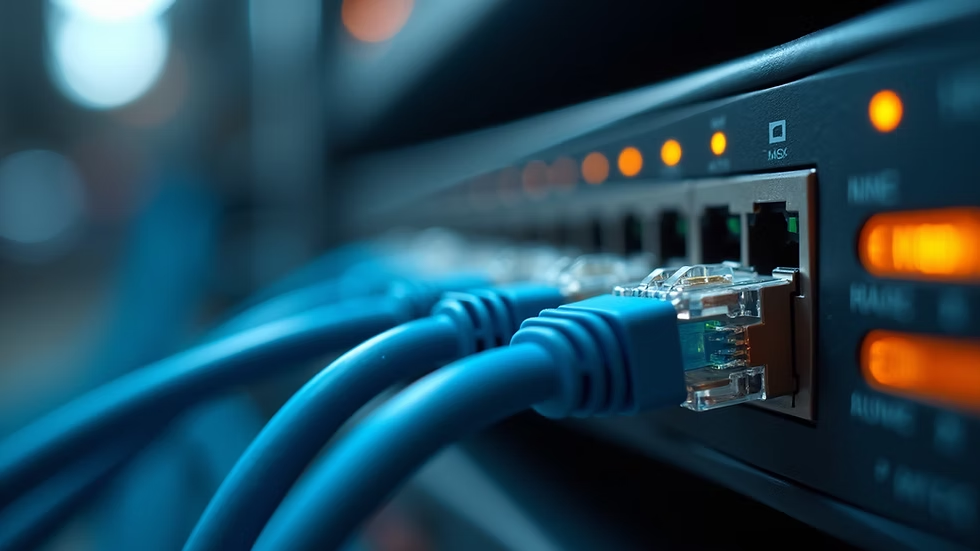
Network cabling is the physical infrastructure that connects computers, servers, routers, and other devices within a local area network (LAN). It plays a critical role in ensuring fast, stable, and secure communication between devices in homes, offices, and large commercial environments. Without proper network cabling, businesses would struggle with slow data transfer, unstable connections, and frequent downtime.For network cabling Greensboro contact Applied Telecom, Inc..
One of the main purposes of network cabling is to provide reliable data transmission. Unlike wireless connections, which can be affected by interference and signal loss, wired network cabling offers consistent speed and performance. This makes it ideal for businesses that rely on large data transfers, video conferencing, cloud applications, and real-time communication systems.
There are several types of network cabling used in modern installations. The most common is Ethernet cable, often categorized as Cat5e, Cat6, Cat6a, and Cat7. Each category offers different speeds and bandwidth capabilities. For example, Cat5e is suitable for basic networking needs, while Cat6 and higher categories support faster speeds and improved performance for demanding applications.
Fiber optic network cabling is another advanced option used in high-performance environments. Unlike traditional copper cables, fiber optic cables transmit data using light signals, allowing for extremely fast speeds and long-distance communication without signal degradation. Fiber optic cabling is commonly used in data centers, large enterprises, and internet service infrastructure.
Proper installation of network cabling is essential for achieving optimal performance. Professional network cabling technicians carefully design cable layouts to minimize interference, reduce signal loss, and ensure efficient data flow. This includes planning cable routes, organizing server rooms, and using structured cabling systems to keep networks organized and scalable.
Structured cabling is a standardized approach to network cabling that simplifies management and maintenance. It organizes cables into a system of subsystems, including horizontal cabling, backbone cabling, and telecommunications rooms. This structured approach makes it easier to upgrade or expand networks without major disruptions.
Network cabling also plays an important role in security. Wired connections are generally more secure than wireless networks because they are harder to intercept. This makes network cabling a preferred choice for businesses that handle sensitive data, such as financial institutions, healthcare providers, and government organizations.
Maintenance and troubleshooting are important aspects of network cabling systems. Over time, cables may become damaged, outdated, or improperly connected, leading to network issues. Regular inspections help identify problems such as cable wear, poor connections, or signal interference. Professional technicians can quickly diagnose and repair these issues to restore network performance.
Another key benefit of network cabling is scalability. As businesses grow, their networking needs increase. A well-designed cabling system allows for easy expansion without requiring a complete overhaul. Additional devices, workstations, or servers can be integrated into the existing infrastructure with minimal disruption.
Network cabling is also essential for supporting modern technologies such as VoIP (Voice over Internet Protocol), video surveillance systems, and smart building automation. These systems rely on stable and high-speed connections to function effectively. Proper cabling ensures that all connected devices operate smoothly and efficiently.
Cost efficiency is another advantage of investing in quality network cabling. While the initial installation may require an investment, a well-designed cabling system reduces long-term maintenance costs and minimizes downtime. Reliable connectivity also improves productivity, making it a valuable asset for any organization.
Choosing the right network cabling contractor is important for ensuring a successful installation. Experienced professionals understand industry standards, safety requirements, and best practices for cable management. They also provide guidance on selecting the right cable types based on specific business needs.
In conclusion, network cabling is the backbone of modern communication systems. It provides reliable, high-speed, and secure connectivity that supports business operations and technological growth. From Ethernet and fiber optic cables to structured cabling systems, proper installation and maintenance ensure long-term performance and scalability. Investing in professional network cabling services helps businesses build a strong and efficient digital infrastructure.




Leave a Reply