
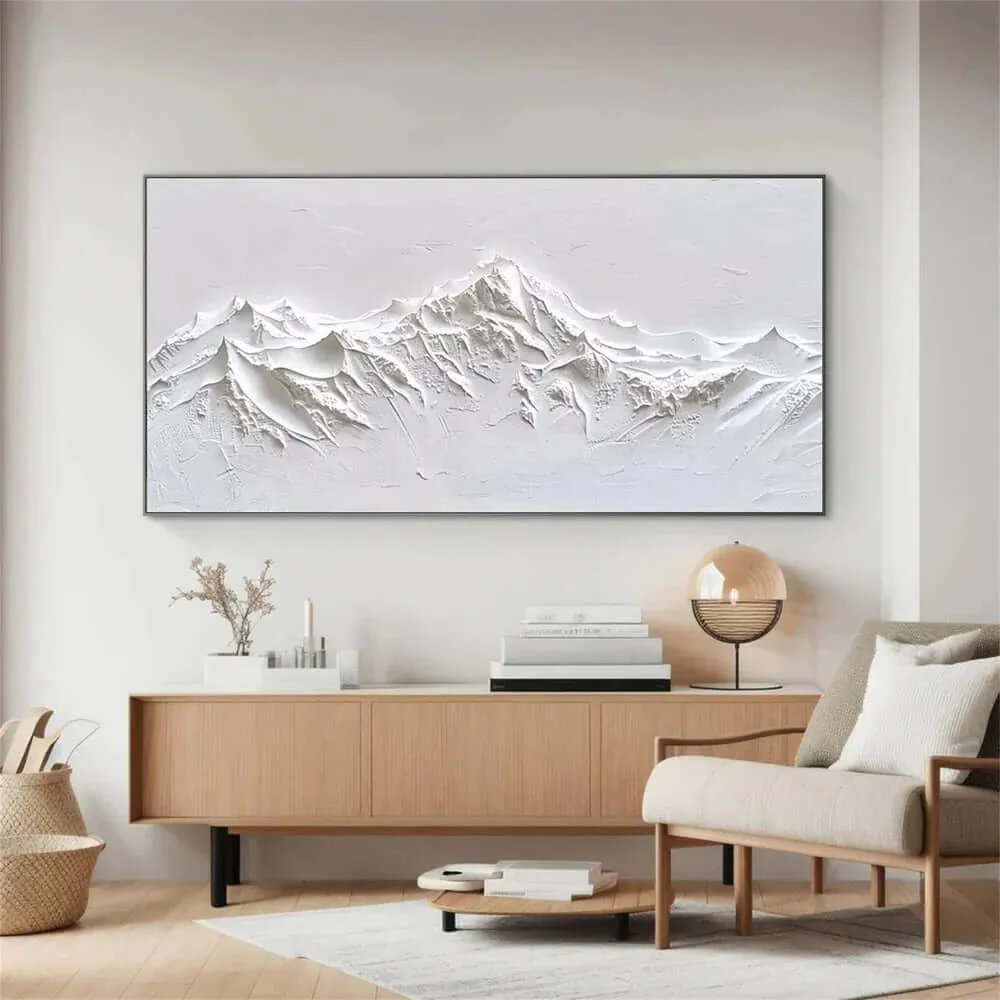
Over the years, even modern interior design has changed a whole lot past putting furniture in a room and organizing it spatially. Walls in this cohort are just as integral to the identity, atmosphere and mood of a space. Of all the styles of wall art, Abstract Wall Art is one of the most potent and adaptable artistic expressions that can represent human culture.
In contrast to landscape painting, which tends toward literal representation of the subject matter, abstract design describes elements such as emotion, movement and balance in form and color. Integrated seamlessly with the best of Modern Art Collections, it provides meaning and contemporary sensuous dynamism to interiors ensuring a bare wall becomes more than just a design solution; they inspire great ideas and creativity.
The Concept Behind Abstract Design
At the core of Abstract Wall Art is the concept of liberation — freedom from strict structure, concrete interpretation, and definitive meaning. Through the use of shapes, textures and relationships in color, it conveys emotion and visual rhythm rather than being a representation of distinct objects or scenes.
Such an open-ended character gives abstract art the flexibility to fit in easily with any kind of scheme when it comes to decorating interiors. It doesn’t require to be in a particular setting, it literally brings itself into the space.
Advantages of abstract prior design are:
Adaptability across multiple interior styles
The photographs were so different and non-repetitive
Personal Interpretation and Emotional Response
This versatility makes Abstract Wall Art a universal design feature that can enhance any space, whether it’s in your home or workplace.
Importance of Color Dynamics
Of all the elements in abstract design, color is among the most powerful. Color structure in a Modern Art Collection is not arbitrary but intentional, with effects on mood, perception and spatial balance.
Abstract compositions often include:
Striking contrasts resulting in dynamic visuals and a clear focal point
For example, soft gradients that create calmness in the design and create a fluency.
Calming neutral tones complement minimalist and contemporary environments
The significance of color relationships is important for how a room feels. We use warm tones for their inviting energy while cool tones introduce calm and clarity. Color becomes a tool for emotional and spatial design instead of just decoration when used strategically.
What does abstract wall art do to enrich which interior
Abstract wall art is more than an aesthetic, it plays a functional role in creating interior experience, by actually influencing the identity and structure of the space. It achieves this by adding a layer of variation, rhythm, and dimensionality to what would otherwise be unremarkable spaces.
Its key contributions include:
Making headline that pulls naturally
Given the colourful nature of many of my interiors, I like to think that one of my super powers is breaking visual boredom.
Layered composition and movement to enhance wall depth
Focusing modern aesthetics by re-inventing with clean designs
Often, these abstract artworks literally anchor the room, both design-wise and spatially.
Where It Works Best
The Abstract Wall Art suit well for modern spaces, as it is versatile and expressive in nature. It easily adapts to plug into various moods, purposes and spatial needs.
Ideal spaces include:
Minimalist houses with demand for low-keyed contrast
Modern workplaces that need to be creative and focused
Luxury hotels, best for premium & vibrant aesthetics
Creative studios that lives on inspiration and artistic impulse
In each of these scenarios, abstract art elevates the space without overpowering it — a perfect design element that is hard-hitting but at the same time also balanced.
Styling Approach for Maximum Impact
In order to really showcase the strength of Abstract Wall Art, thoughtful interior styling is key. Since abstract pieces rely often on visual weight and color interaction, the surrounding area should be a balancer.
Effective styling strategies include:
Provide clean and empty wall spaces to reduce visual competition
How to Keep Your Furniture Arrangement in Balance To Maintain Spatial Harmony
Emphasising art with directional or accent lighting
Selecting neutral enviroment in such a manner, that colors will jump out
When executed well, abstract art serves as the primary visual anchor for a space, aiding structure and mood.
Emotional and Psychological Impact
More than for aesthetics, Abstract Wall Art also has a psychological effect on interiors. Its non-representational nature enables viewers to form meaning that reflects their own personal experience, which creates an emotionally agile work.
It can calm, energize, concentrate or inspire—depending on its color palette and composition. It has become popular in modern interior design and one of the reasons is that it carries with it an emotional versatility.
Conclusion
Abstract Wall Art in a Modern Art Collection portrays the ultimate integration of expression and formality. Combining Colour, Shape and Emotion to Achieve Fun, Crafty, Memorable and Stimulating Interiors
Nor is it merely decorative; instead, it turns walls into vibrant, living pieces of art that embody the ideals of modern life. Abstract Wall Art is leading the way for what interiors look like in contemporary design through deepening depth, mood and harmony.



Leave a Reply