
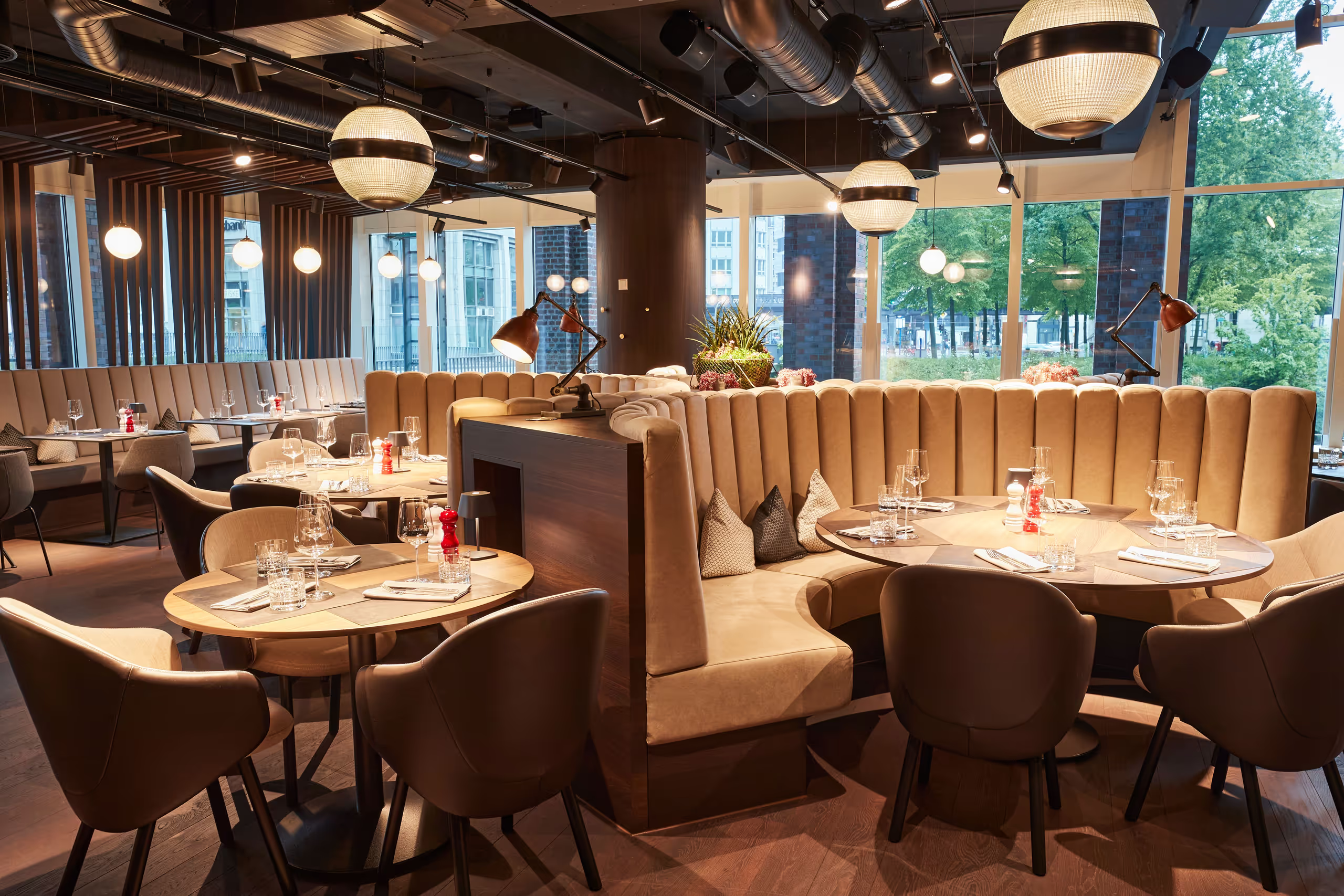
In today’s world, a restaurant is no longer just a place to eat; it has become a destination, a cultural hub, and an innovation center for culinary creativity. From casual cafes to upscale fine dining, restaurants are evolving to meet the needs of modern diners who seek convenience, variety, and memorable experiences.
The Rise of Experiential Dining in Restaurants
One major trend in the restaurant industry is experiential dining. Diners today expect more than just a meal—they want an experience. Restaurants are designing interactive spaces where customers can watch chefs at work, participate in cooking demonstrations, or enjoy themed environments that tell a story.
For example, some restaurants focus on immersive themes, from tropical jungle settings to vintage-inspired interiors. These restaurants attract customers who are looking for more than food—they seek entertainment, social engagement, and memorable moments. By combining creativity and ambiance, restaurants can stand out in a highly competitive industry.
Menu Innovation and Culinary Diversity
The menu is at the heart of any restaurant’s identity. Innovative restaurants constantly experiment with flavors, presentation, and dietary inclusivity to appeal to a wide range of diners. Vegan, gluten-free, and low-calorie options have become increasingly common, reflecting growing health and wellness trends.
Restaurants are also embracing locally sourced and seasonal ingredients, which offer freshness and sustainability. Farm-to-table concepts not only provide high-quality meals but also connect diners with local communities. Specialty dishes and chef-curated menus can differentiate a restaurant and build a loyal following.
Technology Transforming Restaurant Operations
Technology has revolutionized the way restaurants operate and engage with customers. Online reservations, mobile ordering, and delivery apps have increased convenience for diners, while also helping restaurants manage operations efficiently. Contactless payment and QR-code menus have become standard in many establishments.
Some restaurants use AI-driven tools to track customer preferences, optimize inventory, and recommend dishes. These innovations allow restaurants to deliver a personalized dining experience, improving customer satisfaction and loyalty. Additionally, digital platforms give restaurants the ability to reach a wider audience, especially through delivery and takeout services.
Customer Service: The Key to a Memorable Restaurant
While food and technology are critical, customer service remains a defining factor in restaurant success. Friendly, knowledgeable staff can elevate the dining experience and create lasting impressions. Personalized service, like remembering regular customers’ favorite dishes or offering tailored menu suggestions, fosters loyalty and encourages repeat visits.
Restaurants that invest in staff training and prioritize service quality often enjoy higher customer retention and stronger reputations. The human touch remains irreplaceable, even in a tech-driven restaurant environment.
Sustainability and Social Responsibility in Restaurants
Sustainability has become a key focus for restaurants worldwide. Many establishments are adopting eco-friendly practices such as reducing food waste, using biodegradable packaging, and sourcing ingredients responsibly. These practices not only benefit the environment but also appeal to socially conscious diners.
Moreover, restaurants that engage with their communities through charity events, partnerships, or educational programs create stronger customer relationships. By prioritizing ethical practices, restaurants can build a positive reputation and attract customers who value social responsibility.
Conclusion
Modern restaurants are transforming the dining experience by blending culinary innovation, technology, service, and sustainability. A restaurant today is not just a place to eat—it is a space for experiences, culture, and community.
From immersive dining concepts to tech-enabled convenience, restaurants are meeting the needs of modern consumers while creating memorable experiences. By focusing on quality food, exceptional service, and social responsibility, a restaurant can thrive in a competitive market.
Whether it’s a casual neighborhood eatery, an upscale fine dining restaurant, or a tech-driven delivery-focused spot, restaurants continue to redefine the way we experience food. The future of dining lies in creativity, innovation, and connection—qualities that modern restaurants are embracing every day.




Leave a Reply